
Times Change
… not always for the worst.
At last weekend’s show [Report], we had a chance to school in the ring the night before. Afterwards, my instructor tried to get into my head what I need to work on for the classes the next day. Apparently, I looked in control of my horse but lacked polish, “You’re a power rider.”
What? A power rider? Me? When did that happen?
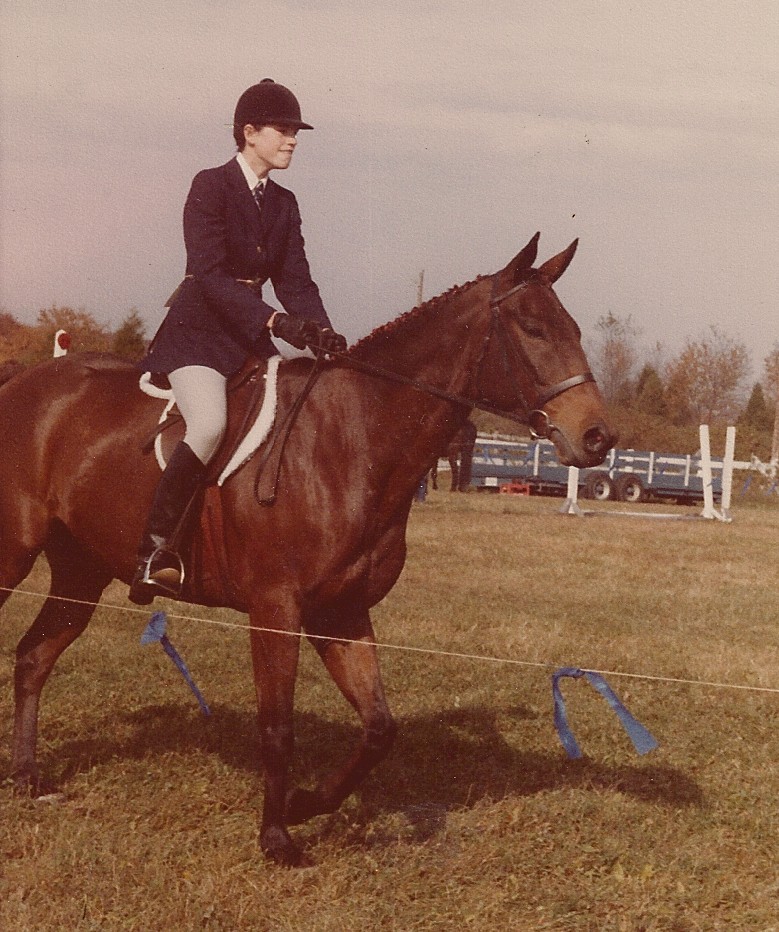
 Back in my formative riding years, I looked lovely on a horse. I was young, and tall, and thin. I oozed elegance. Unfortunately, I didn’t ride anywhere near as well as I looked. On more than one occasion, I ended up too far from the dock because instructors assumed I could handle far more than I was capable of. I had never had cause to reexamine this internal portrait of myself as a rider. (Photos by KP Mautner, probably.)
In the intervening decades, I retrained an OTTB and often worked on my own. Turns out my effectiveness has grown but I’ve gotten sloppy on the details. Since I strongly believe good form contributes to effective function, I am happy to go back to the basics of getting my shoulders back, my head up, etc.
Meanwhile. A power rider? Well, thank you.
Show Report: ASAC, Clemson, SC
My first big saddleseat show. My first big-time show since longer than I wish to contemplate. In my three classes, I took first, second, and fourth. What can I say, I was feeling patriotic.

Academy Equitation Adult WT
In our first class, Lola had the wiggles. Her head would go one way, her feet another. At home, we have reached an agreement on going straight, but I was having trouble remember the correct passwords at the show. Despite feeling that my riding was the most mechanical of the day, this was the class we won.
Academy Showmanship Adult WT
In an intervening class with another student, Lola took exception to ringside signage. As we headed back in, I clamped my legs on her side to rule out a repeat. Fortunately, she took my driving aids as tribute to her awesome fabulousness and we marched around the ring in our own one-horse parade. The judge liked another rider better, but I thought this was our best round.
Academy WT 14 & Over Championship
Despite the title, the class was more in the nature of a final. All riders from earlier classes were qualified. The three adult competitors and the one entry from the 14-17 classes rode together.
While I was neither huffing nor puffing, I was tired enough that my concentration was slipping. I’d lose track of a heel here, a shoulder there. I had all the pieces, but not always at the same time.
I am terrifically proud of one point. The announcer called for a walk just as we rounded the corner of the ring. Hunt seat training says stop immediately. Saddleseat riding says you continue to the next corner before downshifting, I had gotten this wrong at my first saddleseat show. So, despite the rest of the class walking, the entire arena watching me trot, and my own deep misgivings, we trucked the entire length of the arena before walking. I remembered my lesson. I finished my pass.
In the end, the kid smoked the adults. The rest of the adults smoked me. However, it is a lot easier to absorb a loss with blue in your back pocket.
Summary
I was happy. The coach was happy. This will do until I am jumping again.

Sandra Hall Photography
2013 ASAC Spring Classic > Saturday Academy > classes 73, 77, & 80A
I hate how I look in photos, particularly in riding photos [Lights], but I like photos of friends and assume they enjoy mine. I am in yellow vest, brown pants, & helmet on a chestnut. I plan to order ASAC13-073-16. Not because of the ribbon, but because it’s a good picture of Lola & I look not unbearable. Lola declined to stand around for the standard presentation shot.
Look at, admire, but please do not download without payment to &/or permission from the photographer. A distressingly large number of folks feel that since there is no physical object involved, there is no harm in treating professional pictures as if they were Facebook shares. Unfortunately this does not pay the bills of the person standing in the middle of the ring all day taking the pictures. I have heard from several equine photographers who have stopped covering shows due to image misuse. I, for one, want to have these ladies and gentlemen around to take pics of me. Please respect the photographer’s copyright.

Previous
saddleseat
posts.
NHBS
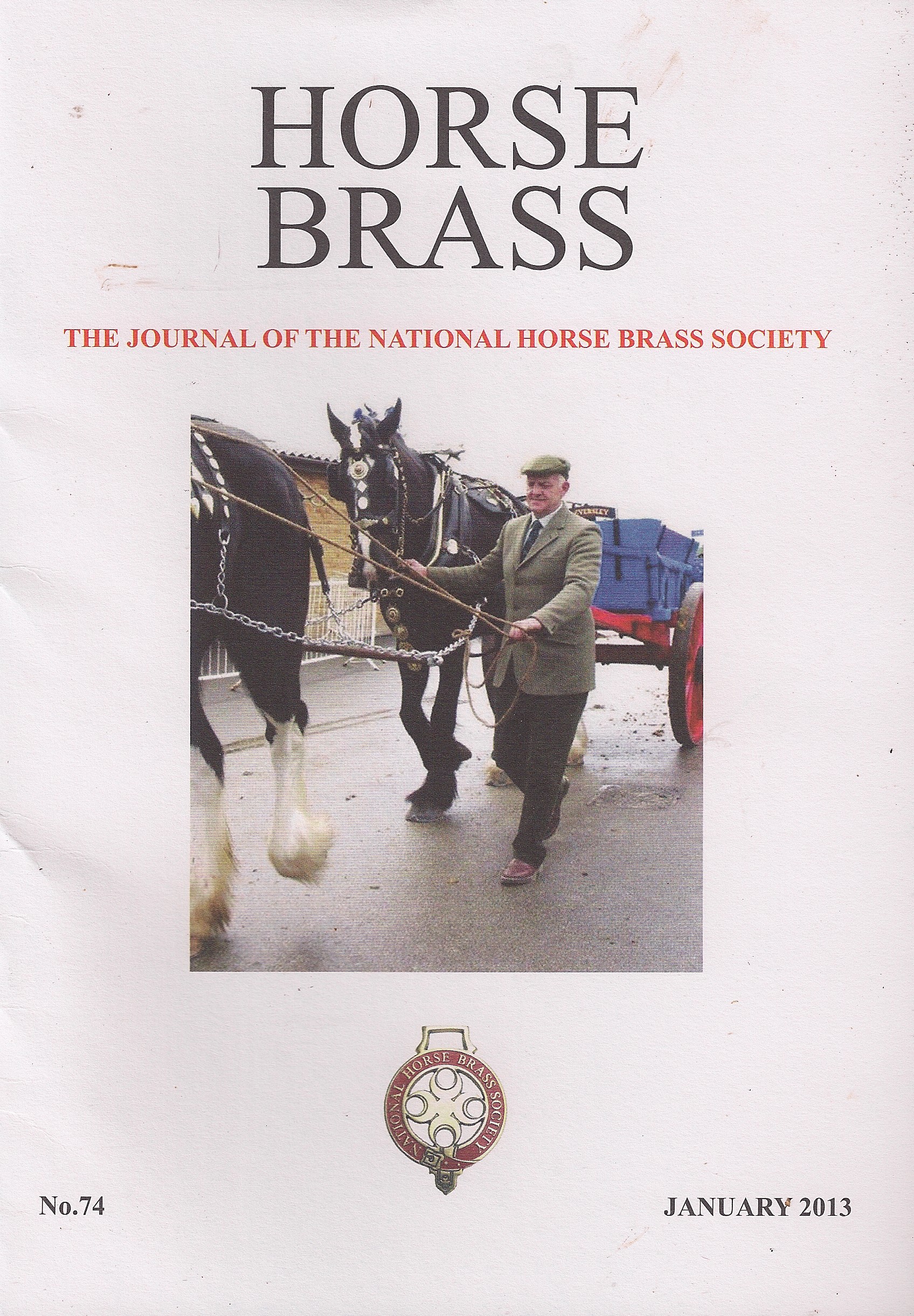
The venue changes. The info doesn’t.
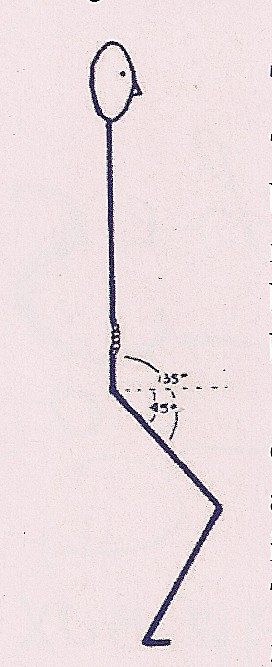
From an article on ergonomic studio design, “Sitting Pretty” by Gail Stevens, in Bound & Lettered, Vol 10, No. 2.

Doesn’t it look like the illustration for a correct seat in every riding manual ever?
Contain Myself
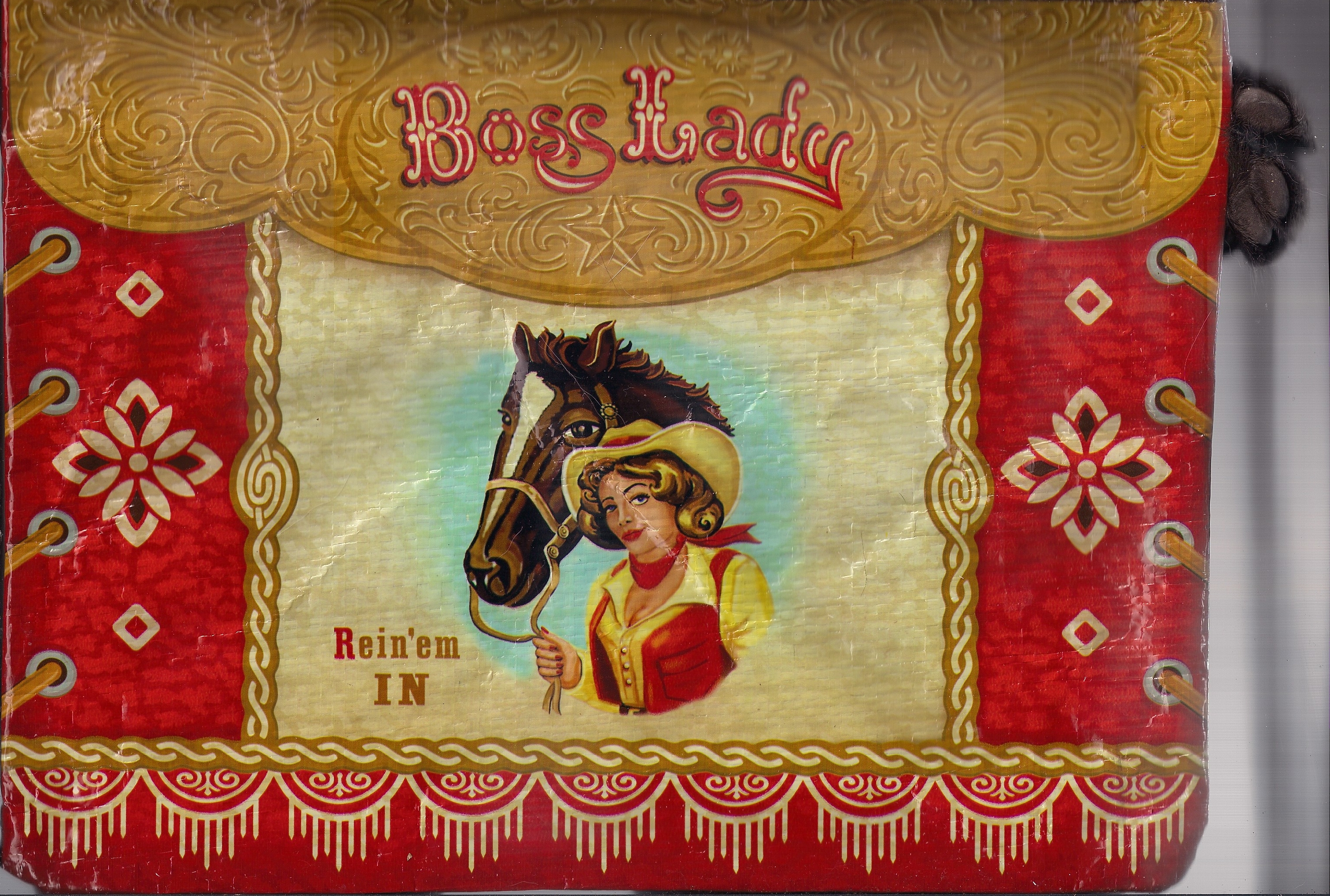


Roadtrip!
This weekend I am on a new adventure with an old friend. Details upon return. Until then, I have scheduled several scans for your entertainment.

A hint about my activities. Any guesses?
Update: this was to have been my tie at my first full-dress saddleseat show. It was overruled.
 Virtual Brush Box