Been feeling a bit head vs. wall about the blog, the horse, the horse hunt, pretty much everything recently. Not for any sensible reason, just a lack of traction. Whether you believe in judgment day or the eventual entropic heat-death of the universe, asking ‘why bother’ will eventually drown you in your own personal Total Perspective Vortex. To quiet the chattering monkeys, I retaliate with:
Why not?
or
What the symbol-string else am I going to do with my time? Bleak, but it does successfully pry my butt off the metaphorical couch.
(Another in a series of feeble posts. Hoping to stagger forward until Opening Ceremonies on 7/27/12. If I can’t find inspiration in the Olympics, I will hang up my keyboard.)
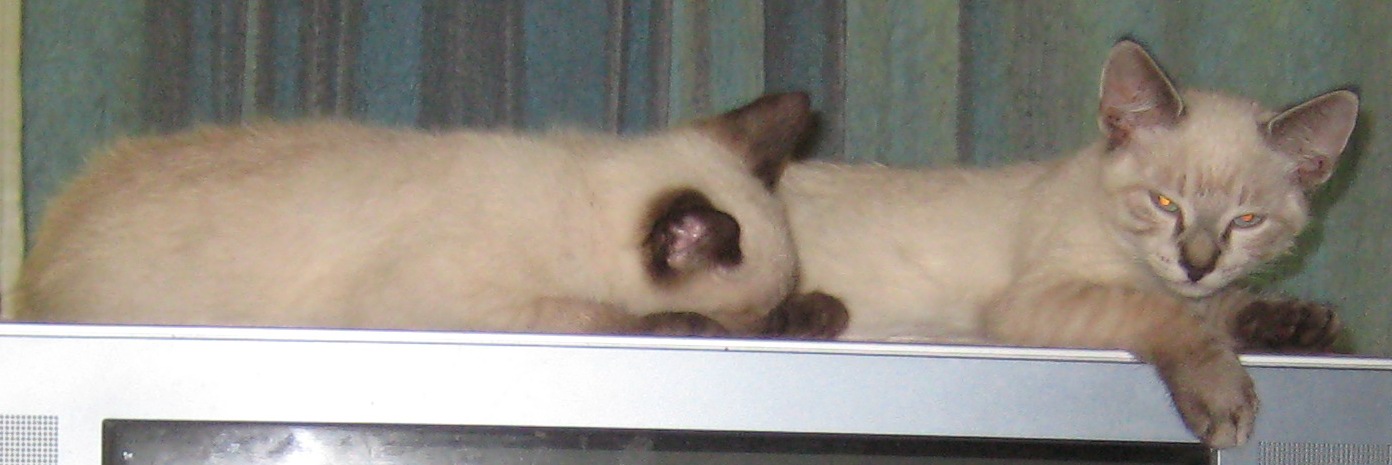
___________________________________________________________________________________________________________________________________ kitten pile
Day Two of our mysterious activities. Rodney reacted to the previous lesson enough to form an opinion. This time, he was more suspicious beforehand but less jumpy after. He’s learning something. Whether what he is hearing is related to what I am saying remains to be seen.
To calmly note how he choses to respond, rather than go into a tailspin when the cards aren’t all aces, is tough.
At the risk of turning this blog into Ouroboros endlessly swallowing its tail, I must brag that the haiku from my Rolex pontification [Peregrinatio], has been reposted with a new title by Horse Nation. Snaps again to daily posts from Five Reflections for the inspiration to write a haiku about Eventing. The repost is a welcome gracenote lighting the current cloud of petty annoyance in which I wallow.
Annoyance #1: My friends are flooding my Facebook newsfeed with pictures of themselves and their horses doing marvelous things in stadium and on cross-country. I’m happy for them. Really I am. Mostly.
Annoyance #2: Workmen have been at our house all week installing a new HVAC system. It’s no fun to pay strangers oodles of money to install incomprehensible, large metal boxes in one’s house. It’s even less fun when these highly-paid experts are sitting in their truck reading the directions to these fancy new widgets you are buying. Despite my overall disenchantment with my adopted state, I will grudgingly admit that the workmanship is usually impeccable. The workmen (and one woman) who’ve had come to the house have done impressive jobs [Fish/Pond], when I get get them out [HHPR#2]. This week has been the exception. Perhaps the problems were minor and the important bits were installed correctly. The world may never know. Hiring any expert (dentist, farrier, veterinarian) involves an act of trust. So, if they are screwing up the parts you can see, how can you have any confidence in what they are doing to the parts you can’t see & don’t understand? But, I am allowing the miasma to win again.
Name one thing that went well for you today.
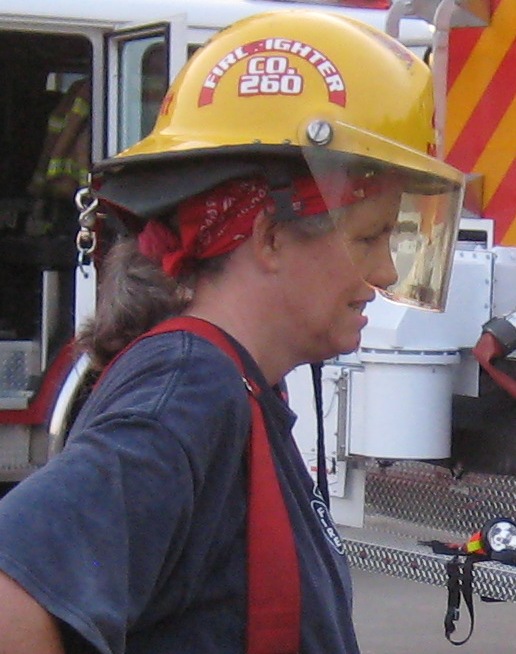
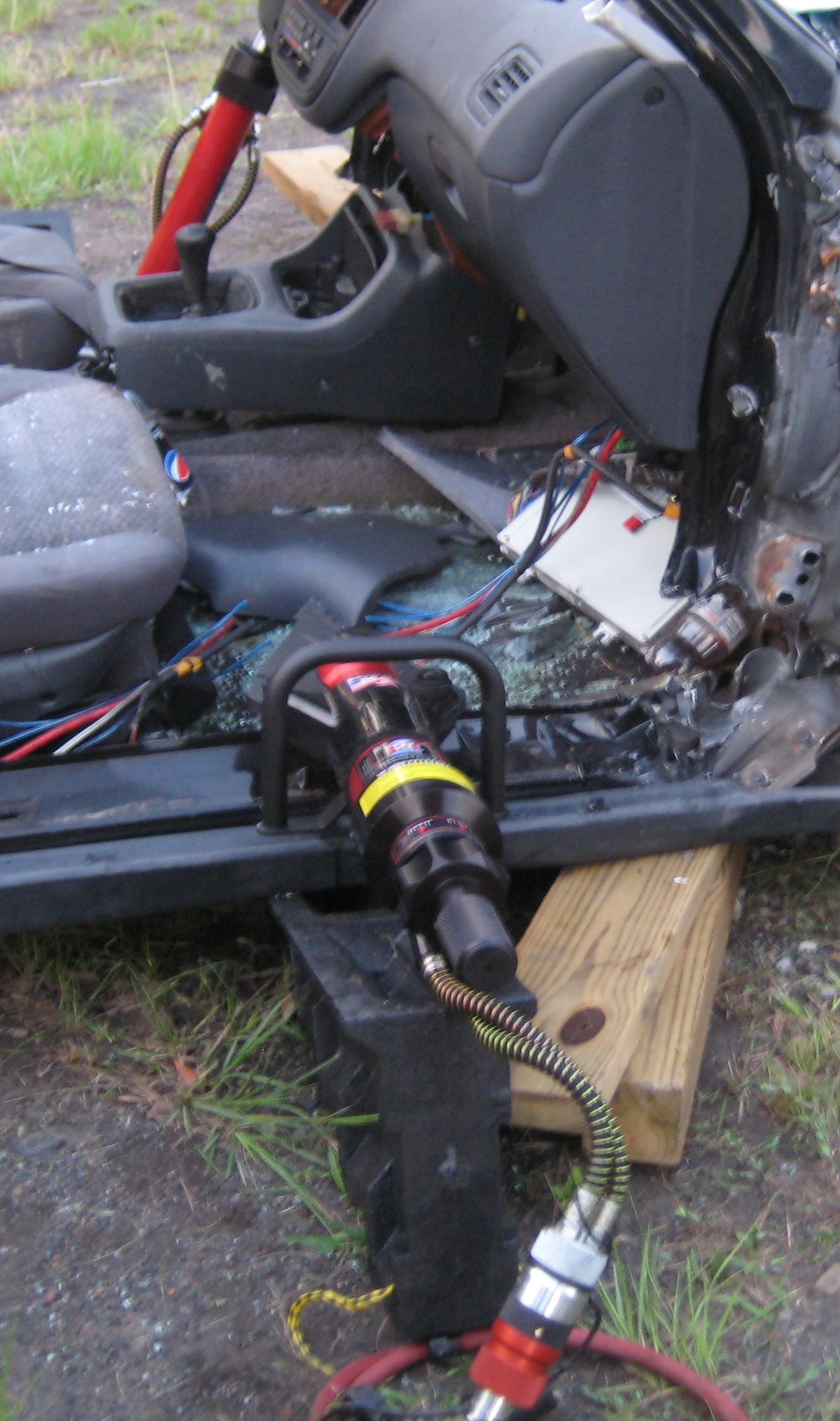
____________________________________________________________________________________________________________________________ Therapy, aka extrication training. Photos by John Entrekin.
Rodney and I have gone back to … well, work is overstating the case. I be messing with him. Plus, I have started a new exercise. I use an idea previously floated but not developed combined with an approach that wouldn’t work with 99% of horses but might work with him. If it works, I credit the last 3 months [?!, How] of watching his behavior while futzing with Mathilda. What we are doing is both counter-intuitive and silly, so I want to try a few runs before I expose the theory to the gaze of the world. I promise to report on results, good or bad, as soon as we have some. Fear not, the exercise errs on the side of overly permissive rather than overly strict.HintGold star to me for doing something, anything, with my horse. Even if I am being cryptic about it.
Have you had success with non-traditional training approaches?
This was Mathilda’s shoulder one morning recently. We have no idea where in her pen she found mud to lie on. More importantly, we are glad she lays down to rest. We are glad she can get back up. We are overjoyed that we don’t have to watch [Debriefing].
Picture was taken with a zoom from outside the field. Check out the suspicious look I’m getting even from 75 feet away.
Earlier, I whined that no one took us seriously [HHPR#2]. One reason is a clash of cultures. Hubby and I grew from an amalgam of New England and Mid-Atlantic influences. New Englanders are know for being thrifty. Part of this is practical. If you live in a cold place where the roads get salted, why spend money on a car when the undercarriage will only get eaten to pieces? Part of the New England thriftiness is an existential hangover from the Puritans.
Just as rich Americans from old-money families in New England frown on ostentation – they might invest in land, furniture, and boats, for instance, but drive run-down old cars and wear ancient khakis and holey sweaters – so do many old-money Britons recoil from lavish displays.
The Anglo Files: A Field Guide To The British by Sarah Lyall [Norton 2008]
Add to that the concept of inverse snobbery. The idea that I am so cool I don’t have to prove to you how cool I am. The story goes that when my father was an up-and-coming yuppie in the big city, his co-workers established enormous ego-walls with framed diplomas from fancy schools. My father’s response was to hang a certificate of literacy he earned from the state DMV when he had to replace an expired license. When he could not prove he had graduated from high school, they made him take the test. Dunno if the tale is true, but it could be. My father was black belt at this maneuver. What you learn young stays with you.
Stir in a strain of outright cheapness (partly genetic on Hubby’s side) and add a dash of slovenliness. You get an outward appearance that is short on flash. I once wore a pair of barn boots so far into the ground that when I bought a replacement pair, the store owner (& friend) insisted I throw out my old pair then & there. I believe in getting my money’s worth.
When I try a horse, I’m neat, in good britches, with clean boots. However, I show up in a truck that is older than most of their horses. This does not promote confidence in sellers. The same ratty truck pulled Previous Horse to all of his shows down here. A dilapidated ride does not sit well with the high-tech rednecks in their pimped-out pickups. My turn-out in the ring is beyond reproach. Outside of the ring; less so. Over the years, this left a certain impression among the area trainers. When I started shopping for Rodney and said, “Okay, I’m ready to fork over big bucks for a deluxe model.”, no one believed me.
Thrift. Cheapness. Inverse snobbery. Call it what you will. The South does not grok it.
Are you flashy or frugal?
_____________________________________________________________________________________________________________________ Finally, something good on TV.